St Marys Church Cranham wedding flowers guide
Posted on 21/10/2026
Planning wedding flowers for St Marys Church Cranham can feel wonderfully exciting and a bit overwhelming at the same time. What will look elegant in the church? How much should you order? Which flowers suit the light, the aisle, the altar, and the photos? This St Marys Church Cranham wedding flowers guide walks you through the practical side of choosing, ordering, and arranging flowers so your day feels cohesive rather than chaotic.
Whether you're planning a classic church ceremony, a smaller family gathering, or a fuller wedding setup with bouquets, buttonholes, and table pieces, the goal is the same: flowers that feel right for the space, the season, and your budget. Let's make it simple, useful, and a little less stressful.
One thing couples often notice only late in the process is that church flowers do more than "look pretty". They help frame the ceremony, soften stone and wood, carry your colour palette through the day, and create those little moments guests remember. And yes, they matter a lot in the photos too.

Table of Contents
- Why St Marys Church Cranham wedding flowers guide Matters
- How St Marys Church Cranham wedding flowers guide Works
- Key Benefits and Practical Advantages
- Who This Is For and When It Makes Sense
- Step-by-Step Guidance
- Expert Tips for Better Results
- Common Mistakes to Avoid
- Tools, Resources and Recommendations
- Law, Compliance, Standards, or Best Practice
- Options, Methods, or Comparison Table
- Case Study or Real-World Example
- Practical Checklist
- Conclusion
- Frequently Asked Questions
Why St Marys Church Cranham wedding flowers guide Matters
A church wedding is not the same as a hotel reception or a registry office ceremony. The building itself shapes everything. You may be dealing with a traditional interior, fixed pews, limited access time, and a ceremony layout that asks flowers to do a bit of work without getting in the way. That is why a dedicated guide is useful. It helps you think about the flowers in relation to the venue, not just in isolation.
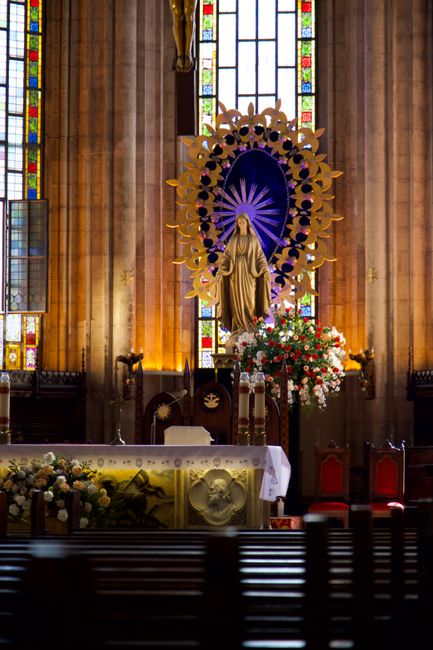
St Marys Church Cranham is the kind of place where thoughtful floral choices can make a big visual difference. A well-chosen arrangement can lift the front of the church, frame the couple beautifully, and create a calm, polished feel as people arrive. Too much, though, and the space can start to feel crowded. Too little, and the ceremony can look unfinished. Finding that balance is the whole game.
To be fair, many couples start with a Pinterest board and end up with ten different ideas. That's normal. A proper wedding flowers plan brings those ideas down to earth and helps you decide what actually suits the venue, the season, and your budget.
Expert summary: the best church wedding flowers usually feel intentional rather than extravagant. They support the ceremony, they do not compete with it, and they look just as good in person as they do in photographs.
Flowers also matter because they affect the rhythm of the day. A bouquet that is too heavy becomes tiring to hold. Buttonholes that are too delicate can wilt before the reception. Church pieces that are too wide may block sightlines. Small details, yes, but on the day they add up fast.
How St Marys Church Cranham wedding flowers guide Works
The easiest way to think about wedding flowers for St Marys Church Cranham is to break them into areas: the ceremony, the bridal party, the family members, and the reception. Once you do that, the decisions become much clearer. Suddenly you are not choosing "flowers for a wedding"; you are choosing the right arrangements for specific moments.
Church floristry usually starts with the biggest visual anchors. These might be altar arrangements, pedestal pieces, pew ends, or a simple statement at the entrance. From there, you work outward to bouquets, bridesmaid flowers, buttonholes, corsages, and then the reception table arrangements if you want the styling to continue through the day.
Most couples do best when they choose one or two "main" flowers and then support them with foliage and secondary blooms. That keeps the design focused and usually keeps costs more manageable. If you want a clean, timeless look, white and green is still popular for a reason. If you prefer something warmer or more expressive, soft pinks, lilacs, peach tones, or mixed seasonal flowers can work beautifully.
You may also want to decide whether you prefer:
- Classic symmetry for a formal church look
- Looser, garden-style flowers for a softer and more romantic feel
- Minimal arrangements if the church already has plenty of character
- Brighter seasonal colour for a more personal, lively style
The process should feel collaborative, not rigid. A good florist will usually listen to the church setting first and then shape the design around it. That's the sensible way round, really.
Key Benefits and Practical Advantages
Choosing flowers with a clear plan gives you far more than a pretty backdrop. It makes the whole day easier to manage. You know what is going where, who is carrying what, and what needs to be delivered when. Less guesswork. Less last-minute scrambling. And honestly, fewer awkward "where does this go?" moments in the church aisle.
Here are the main advantages couples usually notice:
- Better visual flow from ceremony to reception
- More confident budgeting because priorities are clear
- Reduced waste since every arrangement has a purpose
- Improved photography through colour harmony and balance
- Less stress on the day because delivery and placement are planned
There is also a subtle but important benefit: the flowers help your wedding feel like yours. A church can be shared by many couples, but your palette, your bouquet shape, and your chosen textures make the ceremony feel personal. That feeling matters more than people sometimes admit.
If you are working with a local florist, you can also often keep the planning simpler by ordering the most relevant items from a single place. For example, many couples pair their wedding flowers with matching buttonholes and reception pieces, then add finishing touches like bridal bouquets and wedding buttonholes so everything feels coordinated without becoming overdone.
Who This Is For and When It Makes Sense
This guide is for any couple planning a wedding ceremony at St Marys Church Cranham, but it is especially helpful if you are trying to balance tradition with a personal style. Maybe you want the church to look elegant without spending more than you need to. Maybe you're not sure how many arrangements are actually necessary. Or maybe you love flowers but feel slightly lost in florist terminology. Fair enough.
It makes particular sense if you are:
- Planning a church ceremony with a formal aisle walk
- Trying to coordinate bridal bouquets, bridesmaid flowers, and buttonholes
- Unsure how much floral decoration a church space really needs
- Working to a seasonal or fixed budget
- Wanting a look that photographs well in both close-up and wide shots
It is also useful for families helping with the planning. Wedding flowers can become a shared decision very quickly, and not every family member will have the same taste. Having a clear framework helps you keep the conversation practical. Less "I just like roses", more "we need arrangements that suit the aisle and still fit the budget".
If you're in the early stages, it may help to browse options like wedding flower collections and compare them with the venue layout before you commit to anything specific.
Step-by-Step Guidance
Here is a sensible way to plan St Marys Church Cranham wedding flowers without tying yourself in knots.
1. Start with the church layout
Think about where the ceremony focus will be. Is the main visual point the altar? Are there pews or chairs to decorate? Will the entrance need something subtle or something more obvious? Walk through the space if you can. A quick visit often tells you more than ten screenshots ever will.
2. Choose your colour direction
Pick a base palette first. White and green is a safe, elegant choice. Soft pinks and blush tones create romance. Purples can feel rich and dramatic. Mixed seasonal tones feel more relaxed and cheerful. The key is not to choose so many colours that the design starts to fight itself.
3. Decide what matters most
If the budget is tight, prioritise the items guests will see most: bride's bouquet, altar arrangement, and buttonholes. If you have more room, add bridesmaid bouquets, pew ends, and reception table pieces. It's better to do a few things beautifully than many things halfway.
4. Match flower types to the style you want
Some flowers feel formal, others naturally look more relaxed. Roses are a classic wedding choice. Lilies can add structure. Hydrangeas create fullness. Lisianthus has a soft, graceful feel. Alstroemeria and carnations can stretch a budget while still looking polished when used well.
If you want a coordinated look, you might compare styles such as white bridal bouquets, romantic bridal bouquets, and a matching bridesmaid bouquet to see which direction feels right.
5. Build the supporting pieces
This is where buttonholes, corsages, and smaller arrangements come in. They may be little items, but they make the whole wedding feel considered. A groom's buttonhole that echoes the bouquet flower is a tiny detail that makes a surprisingly strong impression.
6. Confirm delivery and placement
Flowers should be delivered with enough time for the church team or florist to place them safely before guests arrive. Timing matters. Too early and delicate blooms can lose freshness. Too late and everyone gets flustered. Not ideal. A clear delivery plan removes that headache.
7. Check post-ceremony plans
Some church flowers can move to the reception, especially pedestal arrangements or table pieces. Ask in advance which items are meant to stay in the church and which can be repurposed. This is one of the best ways to get more value from your budget.
Expert Tips for Better Results
After seeing many wedding flower plans come together, a few patterns stand out. The strongest results usually come from restraint, clarity, and good timing.
Tip 1: Work with the building, not against it. If the church interior already has character, let the architecture do some of the work. You do not need to fill every visible space. Sometimes a pair of elegant focal points says more than a dozen smaller bits and pieces.
Tip 2: Use texture as well as colour. A mix of bloom sizes and foliage makes arrangements feel richer, even with a fairly simple palette. Think soft petals beside firmer shapes, or open flowers alongside tighter buds. That contrast gives depth without shouting.
Tip 3: Keep one element consistent. This might be the colour, the flower family, or the ribbon style. Consistency is what makes the day look polished in photos. A wedding can become visually busy very quickly, and flowers are often where that starts.
Tip 4: Ask about seasonal availability. If your heart is set on a specific bloom, check whether it is realistic for your date. Seasonal flowers often look fresher and can be kinder to the budget. If a florist suggests a similar alternative, that's usually worth listening to.
Tip 5: Consider the ceremony viewpoint. Guests will see some arrangements head-on, others from the side, and photographers from yet another angle. A good design should work from more than one perspective. That sounds obvious, but it is often overlooked.
Tip 6: Use scent carefully. A heavy fragrance can be lovely, but in a church setting it can also be too much for some guests. A soft scent is usually safer than a room full of perfume-like blooms. Subtle is often best. Funny how that works.
Common Mistakes to Avoid
Wedding flowers go wrong most often when people plan them in isolation from the venue or leave key decisions too late. That's the short version. The longer version? A few common mistakes keep cropping up.
- Ordering too many different flower varieties and losing the overall theme
- Forgetting the practicalities like delivery time, water sources, and setup space
- Choosing oversized arrangements that block views or feel heavy in a church aisle
- Ignoring the season and expecting every bloom to be easy to source
- Leaving buttonholes and corsages until the end
- Not checking which flowers can be reused at the reception
Another quiet mistake is not naming a clear point of contact. On the day, florists, family members, and church helpers need to know who is responsible for what. If nobody owns the decision, small delays happen. Then bigger ones. Then someone starts saying "we'll just sort it in a minute" and, well, we all know how that goes.
It also helps to avoid overfocusing on a single image. A bouquet might look incredible in a close-up photo but feel too large in the hand or too formal for the dress. Good wedding floristry has to work in the real world, not just on a mood board.
Tools, Resources and Recommendations
You do not need a complicated system to organise wedding flowers, but a few simple tools make life easier.
- A mood board for colour, shape, and style
- A guest and roles list so buttonholes and corsages are counted properly
- A venue layout sketch showing where major arrangements will sit
- A delivery checklist for timings, access, and setup notes
- Flower care notes for bouquets that need to stay fresh through the morning
If you want to choose from ready-made styles, it can be useful to compare different bouquets and arrangements directly. For example, a couple may weigh up The One bridal bouquet, a more romantic bridal option, and a complete wedding collection to see which gives the best balance of style and value.
If you want the ceremony and reception to feel joined up, look at pairings rather than isolated products. A bouquet, bridesmaid flowers, and a matching table arrangement can create a stronger overall effect than three unrelated items chosen in a rush.
For aftercare, simple guidance matters too. Flowers are freshest when kept cool, hydrated, and away from direct heat. If you are moving arrangements between locations, ask how they should be handled. It's not glamorous, but it does matter.
Law, Compliance, Standards, or Best Practice
Wedding floristry is not a heavily regulated area in the way some industries are, but there are still important standards and sensible practices to follow. In a church setting, the main concern is usually venue coordination, safety, and respect for the building and service schedule.
Best practice usually means:
- Checking church access times before delivery is arranged
- Avoiding anything that could damage surfaces, stain stone, or block walkways
- Confirming if candles, stands, water, or fixings are allowed
- Planning a safe route for carrying arrangements through narrow spaces
- Using stable bases for freestanding displays so they do not wobble
If you are using fresh flowers in a church, it is also sensible to think about allergies and strong scents. You do not need to overcomplicate it, but a little awareness goes a long way. A polite check with the church contact can prevent small problems on the day.
From a customer-service point of view, transparency matters too. You should know what is included, what delivery involves, and what happens if timings change. Clear terms, reliable communication, and careful handling are not extras; they are part of a trustworthy wedding service.
Options, Methods, or Comparison Table
When choosing wedding flowers for St Marys Church Cranham, it helps to compare the main approaches side by side. The "best" option is rarely the most expensive one. It is usually the one that fits the space and the day.
| Option | Best for | Strengths | Watch outs |
|---|---|---|---|
| Minimal church styling | Smaller ceremonies, tighter budgets, already-pretty interiors | Elegant, simple, cost-conscious | Can feel too sparse if not planned carefully |
| Classic formal flowers | Traditional church weddings | Timeless, polished, photograph well | Can become expensive if overbuilt |
| Garden-style arrangements | Romantic or relaxed weddings | Soft, natural, full of texture | Needs a good eye to avoid looking untidy |
| Colour-led designs | Couples wanting personality and impact | Memorable, vibrant, expressive | Can clash if too many shades are mixed |
| All-in-one collection | Busy couples wanting a joined-up look | Convenient, coordinated, easier to manage | Less flexible if you want highly custom styling |
A practical method many couples use is to choose a collection as the backbone, then customise the bouquet or buttonholes slightly. That gives you structure without making the design feel generic.
Case Study or Real-World Example
A couple planning a late-spring church wedding wanted a soft, elegant look but did not want the flowers to overpower the ceremony. They started with a white and blush palette, then added just enough greenery to keep the arrangements light. The bride chose a compact bouquet that sat comfortably in the hand, while the bridesmaids carried smaller matching versions. The groom and ushers wore simple coordinated buttonholes.
For the church itself, they used one arrangement at the front and a smaller complementary piece near the entrance. That was enough. Truth be told, it looked more polished than a much larger setup would have done, because the focus stayed on the couple and the setting rather than on floral volume.
The biggest win was practicality. The front arrangement moved to the reception, which gave the table styling a second life. Nothing felt wasted. Nothing had to be rushed. And the couple later said that the flowers "just felt right", which is about the nicest thing wedding floristry can achieve.
That kind of result usually comes from asking three simple questions early: What does the church need? What does the couple want to feel? And what can be reused later? Small questions. Big difference.
Practical Checklist
Use this checklist before you finalise your flowers. It keeps the plan grounded.
- Confirm the ceremony date and access times
- Check the church layout and where arrangements can be placed
- Choose a colour palette
- Decide on bride, bridesmaid, and buttonhole flowers
- Choose at least one focal arrangement for the church
- Ask which flowers can be reused at the reception
- Confirm delivery details and contact names
- Check freshness, hydration, and handling instructions
- Review budget priorities before adding extras
- Make sure the final look suits the church and the photos
If you want a simple way to start narrowing choices, browsing a few wedding-specific products can help. Pairing bouquets with buttonholes and collection options often makes the decision much easier than staring at dozens of unrelated flower names and hoping for the best.
Conclusion
The best St Marys Church Cranham wedding flowers guide is not about making everything bigger, brighter, or more elaborate. It is about making smart choices that suit the church, suit the season, and suit the couple. When you get that balance right, the flowers do something quietly powerful: they make the ceremony feel complete.
Start with the layout, choose a clear colour direction, keep the arrangements purposeful, and do not forget the practical side of delivery and reuse. That is the real foundation. From there, the styling becomes much easier, and the whole day starts to feel more coherent.
Get a free quote today and see how much you can save.
And if you are still deciding, that's fine. A good wedding flower plan comes together one thoughtful choice at a time. You do not have to solve the whole thing this minute.
Frequently Asked Questions
What flowers are best for a wedding at St Marys Church Cranham?
Classic wedding flowers such as roses, lilies, lisianthus, hydrangeas, and seasonal mixed blooms are all popular choices. The best option depends on the style of the ceremony, the time of year, and whether you want a traditional, romantic, or modern look.
How many church flower arrangements do I actually need?
That depends on the size of the ceremony and the visual impact you want. Many couples start with one or two focal pieces plus the bridal flowers and buttonholes. Smaller, well-placed arrangements often work better than trying to decorate every available space.
Should wedding flowers match the church or the reception?
Ideally, they should connect the two spaces without becoming identical. A shared colour palette or matching flower family is usually enough. That keeps the day cohesive while still allowing the church and reception to feel suited to their different settings.
How far in advance should I order wedding flowers?
For a church wedding, it is sensible to begin planning several months ahead, especially if you want specific blooms or a particular style. The earlier you discuss timing, access, and the final order, the easier the whole process becomes.
Can church flowers be reused at the reception?
Often, yes. Larger arrangements in particular may be moved to the reception if the florist and venue plan for it in advance. This is one of the best ways to stretch the budget and keep the styling consistent throughout the day.
What is the difference between a bridal bouquet and bridesmaid bouquets?
A bridal bouquet is usually larger or more detailed and designed to stand out with the dress. Bridesmaid bouquets are often smaller or slightly simpler while still matching the overall colour scheme and style. They should feel related, not identical.
Are buttonholes really necessary?
Not strictly necessary, but they are a very common and useful detail. Buttonholes help identify key people in the wedding party and add a neat finishing touch. They also tie the groom and groomsmen visually to the rest of the floral design.
What if I want something simple and budget-friendly?
Then focus on a small number of high-impact pieces. A beautiful bridal bouquet, coordinated buttonholes, and one or two church arrangements can look elegant without becoming expensive. Simplicity can be very effective when the design is well thought through.
Do seasonal flowers make a big difference?
Yes, they often do. Seasonal flowers are usually fresher, easier to source, and more in tune with the time of year. They also tend to create a more natural look, which suits many church weddings very well.
How do I choose the right colour palette?
Start with the mood you want: classic, romantic, soft, fresh, or bold. Then choose one main tone and one or two supporting shades. If in doubt, white and green is a very reliable base, with blush or pastel accents added if you want warmth.
Will strong-smelling flowers be a problem in church?
Sometimes they can be. A subtle scent is usually better than a heavily fragrant arrangement, especially in a smaller or enclosed space. If you know guests are sensitive to scent, mention that to the florist early on.
What is the easiest way to keep wedding flowers stress-free?
Keep the plan focused. Choose a clear palette, a small set of priority arrangements, and a confirmed delivery plan. Stress usually comes from too many options and too little structure, so clarity really helps.