Best flowers for Cranham Village summer weddings
Posted on 18/09/2026
Planning a summer wedding in Cranham Village should feel exciting, not overwhelming. But once the venue, dress, and guest list are in motion, the flowers can suddenly become the bit everyone has an opinion on. Soft romance, bright colour, a garden feel, something timeless... and all of it needs to work in warm weather, look good in photos, and still feel like you.
This guide to the best flowers for Cranham Village summer weddings breaks it down in a practical, local way. You'll find the blooms that hold up beautifully in British summer conditions, the combinations that suit a village wedding setting, and the choices that make life easier on the day. If you're trying to balance style, budget, and reliability, you're in the right place.
And yes, we'll keep it real. Some flowers look dreamy on Pinterest and then wilt the moment a warm car boot gets involved. Let's avoid that, shall we?
- Why summer wedding flowers matter in Cranham Village
- How to choose flowers that work in warm weather
- Benefits of the right flower choices
- Who this guide is for
- Step-by-step flower planning
- Expert tips for better results
- Mistakes to avoid
- Tools and useful recommendations
- Best practice, care, and wedding-day standards
- Flower options compared
- Real-world example
- Practical checklist
- Conclusion
- Frequently asked questions
Why Best flowers for Cranham Village summer weddings Matters
Flowers do more than decorate a wedding. They set the mood the second guests arrive, shape the photos all day long, and tie together the whole visual story of the ceremony and reception. In Cranham Village, where many couples want a warm, elegant, and personal feel, the right flowers can make a modest space feel thoughtfully styled rather than overdone.
Summer brings its own opportunities and headaches. You get longer daylight, more colour, and a natural garden-inspired look that suits everything from church weddings to marquee receptions and intimate local venues. But summer also means heat, direct sun, and slightly unpredictable transport conditions. A bouquet that looks fresh at 10 a.m. can look tired by 3 p.m. if it has been handled badly. Truth be told, that's the bit people forget.
Choosing the best flowers for Cranham Village summer weddings matters because it helps you avoid those problems before they start. The right varieties can stay perky, photograph beautifully, and support the style of your wedding without becoming high-maintenance.
Expert summary: the best summer wedding flowers are usually the ones that combine visual softness with practical durability. In warm weather, that often means working with seasonal blooms, sturdy stems, and a design plan that suits the journey from florist to ceremony to reception.
How Best flowers for Cranham Village summer weddings Works
Choosing wedding flowers is not just about picking favourites from a list. It works best when you start with the conditions first, then the style, then the individual blooms. That order saves a lot of stress.
For a summer wedding in Cranham Village, the process usually starts with four questions:
- What is the venue like? Indoor, outdoor, church, hall, marquee, or mixed spaces?
- How warm is the day likely to be? Even a mild British summer day can affect delicate flowers.
- What feeling do you want? Romantic, classic, relaxed, colourful, modern, or countryside-inspired?
- What do you need flowers to do? Add statement impact, fill tables, frame the aisle, or simply complement the bridal look?
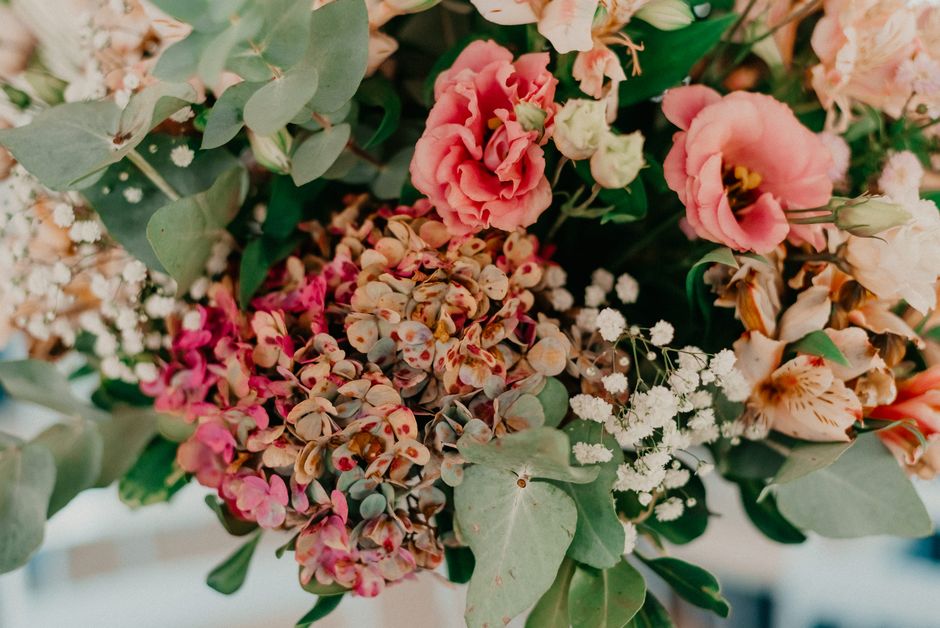
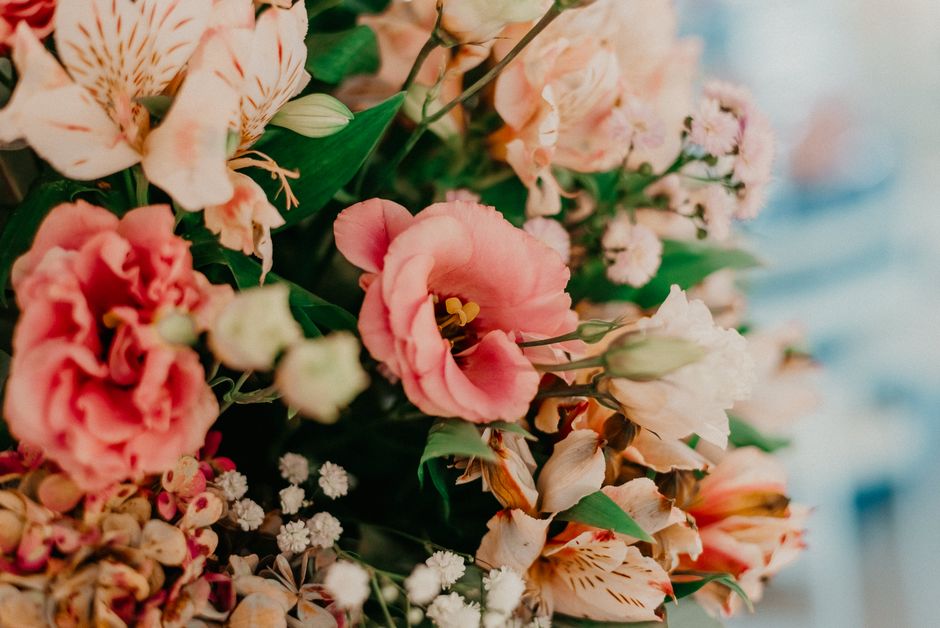
Once those basics are clear, a florist can recommend varieties that fit the job. For example, roses are classic and versatile, lisianthus feels soft and elegant, alstroemeria brings reliability and good vase life, and hydrangeas create fullness fast. Summer mixes often include a combination rather than a single bloom, because different flowers play different roles.
You will also notice that timing matters. A bouquet for the bride may need a different structure from the ceremony arrangements or buttonholes. The bridal bouquet has to look beautiful up close and in photographs; table arrangements need to sit comfortably in conversation spaces; corsages and buttonholes need to be light and secure. Small detail, big difference.
Key Benefits and Practical Advantages
The best flower choices do not just look pretty. They make the day smoother. That sounds obvious, but in wedding planning obvious things are often the easiest to miss.
- Better flower longevity: Summer-appropriate blooms are less likely to wilt during travel or during the drinks reception.
- Stronger visual impact: The right flowers can make a simple venue feel more polished and intentional.
- Less last-minute stress: Durable flowers and sensible designs reduce the chance of emergency changes on the morning.
- Better value: Choosing seasonal and suitable stems often stretches your budget further than chasing hard-to-source imports.
- More cohesive styling: When bouquet, centrepieces, buttonholes, and ceremony flowers all speak the same visual language, the whole wedding feels calmer and more elegant.
There is also a very practical side to the question of style. A village wedding often suits flowers that feel natural rather than overly architectural. That might mean loose hand-tied bouquets, soft mixed arrangements, or garden-style table flowers with texture and movement. Nothing stiff. Nothing that looks like it needs a ruler.
Another advantage is emotional. Guests remember the atmosphere of a wedding far more than they remember the exact shade of ribbon. The right flowers quietly shape that atmosphere. They soften a room, signal celebration, and make the photos feel alive.
Who This Is For and When It Makes Sense
This guide is for couples planning a wedding in or around Cranham Village who want flowers that look beautiful in a summer setting without becoming a logistical headache. It's also helpful if you're a family member helping with the planning, or if you're comparing different florist packages and want to know what actually suits the season.
It makes the most sense if any of these sound familiar:
- You want a wedding that feels romantic, fresh, and slightly seasonal rather than formal and heavy.
- You're working with a budget and want flowers that give good visual value.
- You're getting married in warm months and want blooms that cope with temperature changes.
- You prefer a classic UK wedding style with a village or countryside feel.
- You need flowers that are practical for transport, setup, and photography.
If you are after very structured, winter-style arrangements, or you want extremely delicate blooms in peak heat, you may need to plan more carefully and accept a bit more maintenance. That's not a deal-breaker, just something to plan for honestly.
Couples who use wedding flower collections or browse wedding flowers in Cranham RM14 usually find it easier to compare styles before committing. It gives you a stronger sense of what fits your day, rather than picking in a rush.
Step-by-Step Guidance
1. Start with the setting
Look at the venue first. A bright church, a small reception room, a marquee, or a garden-style location all call for slightly different flower choices. In strong daylight, pale blooms can glow beautifully, while deeper colours add contrast and drama. A shaded room, on the other hand, can handle richer tones without looking heavy.
2. Choose a summer-friendly colour palette
Summer wedding flowers in Cranham Village often work best in soft blush, white, cream, peach, pale lilac, lavender, or mixed pastel combinations. That said, bold colour can be lovely if the rest of the styling is restrained. Yellow and coral can feel joyful and bright; pink remains a safe favourite for romantic weddings; white and green bring a clean, elegant look.
3. Pick flowers with the right job in mind
Not every flower needs to do everything. Roses often anchor the arrangement. Lisianthus and alstroemeria add softness and flow. Hydrangeas fill space quickly. Lilies create presence and fragrance. Germini and carnations can bring structure and value. A good florist will balance these according to your style and the practical demands of the day.
4. Build around the bridal bouquet
The bridal bouquet usually sets the tone for the whole floral scheme. Once that is decided, the bridesmaid bouquets, buttonholes, table pieces, and ceremony arrangements can echo it. That way the design feels connected, not random. A little repetition is good here; it keeps the eye comfortable.
5. Check durability and handling
Before you fall in love with a bloom, ask whether it handles summer well. Can it stay fresh out of water for a while? Does it bruise easily? Will it survive a car ride and a busy morning? These questions are less glamorous, sure, but they matter.
6. Confirm delivery and setup timing
Timing is crucial for summer weddings. Flowers should arrive close enough to the ceremony to stay fresh, but with enough time for safe setup. If you are using a florist for delivery, ask how the arrangements are protected during transit and what happens if temperatures rise. Small things. Big relief.
7. Review the final look in natural light
If possible, think about how the flowers will look in daylight, not just indoors. Some colours can look stronger or softer depending on the time of day. Summer weddings often benefit from arrangements that are slightly more open and airy, because natural light does a lot of the work for you.
Expert Tips for Better Results
A few simple decisions can improve your results more than any fancy flourish.
- Use seasonal blooms where possible. They are usually fresher, more reliable, and easier to source in suitable quantities.
- Mix focal flowers with support flowers. A bouquet of only headline blooms can be expensive and less balanced.
- Choose strong stems for buttonholes and corsages. These pieces need to look neat and stay put all day.
- Keep table arrangements low if guests need to talk across them. Pretty is good; practical is better.
- Match the floral style to the venue's personality. A relaxed village setting often looks best with garden-inspired flowers rather than overly formal arrangements.
- Plan for warmth, not just weather. Even if it is not scorching, packed rooms and long travel can affect freshness.
One useful rule of thumb: if a flower feels like it would sulk in a warm hallway, think twice. Not scientific, perhaps, but it helps.
Also, don't ignore scent. Some flowers are strongly fragrant and may be lovely in a bouquet but a bit much on a small table. For weddings, especially summer weddings, gentle fragrance often works better than anything overpowering.
Common Mistakes to Avoid
Most flower mistakes are avoidable, which is the good news. The less good news is that they happen all the time.
- Choosing flowers for the photo and ignoring the heat. Beautiful, delicate blooms can struggle in warm conditions.
- Overcrowding the design. Too many flower types can make the whole scheme feel busy instead of elegant.
- Forgetting scale. Large arrangements look impressive, but they can overwhelm smaller spaces or budgets.
- Leaving buttonholes and corsages too late. These often need careful finishing and should not be rushed.
- Ignoring transport. A bouquet that travels badly is not going to improve on arrival.
- Mixing styles without a clear plan. Romantic, rustic, and ultra-modern all in one setup? It can work, but only with a very clear design eye.
Another common slip is assuming all white flowers are simple. They can be, but without texture and greenery they may look flat in bright summer light. A little variation in shape and leaf tone helps a lot.
Tools, Resources and Recommendations
You do not need a complicated toolkit to plan wedding flowers well. What helps most is a clear brief, a few reference images, and sensible expectations.
- Venue photos: Useful for judging light, space, and the scale of arrangements.
- Colour swatches: Helpful for matching flowers to bridesmaid dresses, stationery, and table linen.
- Flower care guidance: A florist's care advice can help if you are collecting items early or moving them between locations. For general everyday advice, the site's flower care guidance is a sensible place to start.
- Flower collection or delivery plan: If you are juggling a packed morning, look into delivery options early so timing is one less thing to worry about.
- Budget range: Decide whether you are aiming for an elegant minimum setup, a fuller look, or something more premium. That keeps your choices grounded.
If you're comparing florists, it also helps to look at their wider range of seasonal and occasion flowers. A business that handles everyday orders well usually has a better feel for freshness, presentation, and consistency. Not always, but often enough to matter. For local browsing, pages such as your Cranham florist and best flower delivery in Cranham RM14 can be useful starting points.
Law, Compliance, Standards, or Best Practice
For wedding flowers, there usually is not a complex legal framework in the way there would be for food, events, or transport. Still, a few standards and best practices matter in the real world.
First, if your wedding venue has access rules, setup windows, fire exits, or restrictions on candles and decor, your floral plan needs to fit those conditions. That is more venue policy than law, but it matters just as much on the day. Check early and avoid surprises.
Second, if you are using floral foam, preserved materials, or any imported product, sustainability and disposal practices are worth asking about. Many couples now prefer arrangements designed with lower waste in mind. A florist who talks openly about sourcing and responsible handling is usually a good sign. The site's sustainability approach may also be useful if that matters to you.
Third, if flowers are being delivered alongside other wedding items, make sure payment, timing, substitutions, and cancellation terms are clear. Good practice here is simple: confirm everything in writing, check what happens if a bloom becomes unavailable, and know who to contact on the morning. Small things, but they keep everyone sane.
For families planning more than one event or working with suppliers across different occasions, straightforward terms and reliable communication are a sign of a properly run florist service. That's the boring part, maybe, but the boring part is often what saves the day.
Options, Methods, or Comparison Table
Here is a practical comparison of popular summer wedding flower options for Cranham Village. The aim is not to crown a single winner, because the right choice depends on style, budget, and handling needs.
| Flower option | Look and feel | Summer suitability | Best for | Things to watch |
|---|---|---|---|---|
| Roses | Classic, romantic, versatile | Very good | Bouquets, buttonholes, centrepieces | Can feel formal if overused |
| Lisianthus | Soft, elegant, slightly airy | Very good | Bridal bouquets, mixed arrangements | Needs thoughtful pairing for structure |
| Alstroemeria | Fresh, delicate, reliable | Excellent | Bridesmaid bouquets, mixed arrangements | Can be overlooked if the design is too simple |
| Hydrangeas | Full, lush, statement-making | Good with careful handling | Large arrangements, focal pieces | Needs water and temperature control |
| Lilies | Bold, graceful, fragrant | Good | Statement bouquets, ceremony flowers | Fragrance may be strong in small spaces |
| Carnations | Neat, textured, budget-friendly | Very good | Filler, modern mixed designs | Should be styled well to avoid looking dated |
| Germini | Bright, cheerful, compact | Very good | Colour accents, playful summer schemes | Works best in mixed designs |
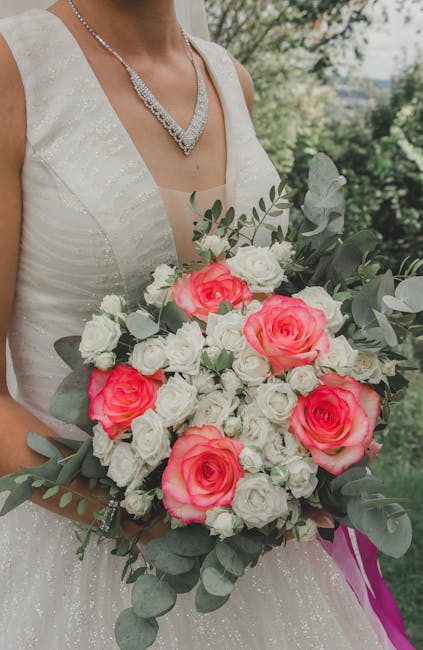
For many Cranham Village summer weddings, the sweet spot is a layered mix rather than a single-flower arrangement. A rose-led bouquet with lisianthus and alstroemeria, for example, can look polished but still relaxed. That balance tends to photograph well too.
Case Study or Real-World Example
Picture a late July wedding in Cranham Village. The ceremony is in the morning, the reception follows in a light-filled room, and the couple wants a calm, romantic look without too much formality. They like blush, ivory, and a little green, but they do not want anything too stiff or too "showroom".
In a setup like that, a sensible flower plan might include a rose-and-lisianthus bridal bouquet, soft bridesmaid bouquets in white and blush, neat rose buttonholes, and low table arrangements with alstroemeria and a touch of greenery. Hydrangea could be used sparingly as a focal bloom if the florist can keep it cool and hydrated. A few delicate details, maybe ribbon or a lightly textured finish, are enough.
What makes this work is not extravagance. It is consistency. The bouquet, tables, and buttonholes all look like they belong together. The result feels gentle, seasonal, and unforced. And in summer, that often looks more expensive than a more crowded design would.
I've seen couples worry that simple flowers mean plain flowers. Usually the opposite is true. When the colour palette is right and the flower mix is well edited, the whole event feels sharper. Clean. Relaxed. Easy on the eye.
Practical Checklist
Use this checklist before finalising your flower choices for a Cranham Village summer wedding:
- Confirm the venue and ceremony space layout.
- Decide on the overall style: romantic, classic, rustic, modern, or garden-inspired.
- Choose a summer-friendly colour palette.
- Check which flowers are durable in warm weather.
- Identify the key pieces: bridal bouquet, bridesmaid bouquets, buttonholes, table flowers, ceremony flowers.
- Ask how arrangements will be delivered and stored before setup.
- Review whether any blooms need extra hydration or special handling.
- Make sure the scale of arrangements suits the venue.
- Check budget priorities so money goes where it matters most.
- Confirm the final design, substitutions, and timing in writing.
Quick note: if you are unsure where to start, choose one anchor piece first, usually the bridal bouquet, and build outward from there. It keeps the process sane. Really.
Conclusion
The best flowers for Cranham Village summer weddings are the ones that suit the season, suit the setting, and suit the couple. That sounds simple, but it is the real answer. Roses, lisianthus, alstroemeria, hydrangeas, lilies, carnations, and germini can all work beautifully when they are used with a clear plan and an eye for durability.
If you focus on warm-weather performance, balanced styling, and sensible coordination across the day, your flowers will do more than decorate the venue. They will help the whole wedding feel calm, polished, and memorable in the best possible way.
And that is really what most people want, isn't it? Something beautiful, something that feels right, and something that still looks lovely when the music starts and the day gets properly underway.
Get a free quote today and see how much you can save.
Frequently Asked Questions
What are the best flowers for a summer wedding in Cranham Village?
Roses, lisianthus, alstroemeria, hydrangeas, lilies, carnations, and germini are all strong options. The best choice depends on your colour palette, venue, and how warm the day is likely to be.
Which flowers last longest in summer wedding conditions?
Alstroemeria, carnations, roses, and some mixed seasonal stems tend to hold up well. The way they are stored and delivered matters just as much as the flower type itself.
Are white flowers a good choice for summer weddings?
Yes, white flowers are elegant and timeless. They work especially well with green foliage or soft pastel accents so the arrangement still has depth in bright daylight.
What flowers suit a romantic village wedding style?
Soft roses, lisianthus, blush-toned mixed bouquets, and gentle garden-style arrangements usually fit a romantic village setting very well. They feel relaxed without looking casual.
Should I avoid hydrangeas for a summer wedding?
Not necessarily. Hydrangeas can be beautiful and full, but they need careful handling and hydration. If your florist is confident in managing them, they can be a great statement flower.
How far in advance should I book wedding flowers?
It is sensible to book as early as possible, especially for summer weekends when demand can be higher. Early booking also gives you time to refine the colour scheme and final flower list.
Can I use the same flowers for bouquets and table arrangements?
Yes, and that often creates a more cohesive look. The exact design may differ, though. Bouquets usually need more movement and structure, while table flowers often need to be lower and more practical.
What is the most budget-friendly wedding flower choice?
Carnations, alstroemeria, germini, and carefully planned mixed arrangements are often good value. Budget-friendly does not have to mean plain; styling makes a huge difference.
Do summer wedding flowers need special care on the day?
Usually, yes. Keep them cool, out of direct sun where possible, and away from hot cars or packed rooms for too long. Good delivery timing and setup planning help a lot.
Can I mix bold and soft colours in one wedding flower scheme?
Yes, but keep the mix controlled. For example, blush and ivory can work with one stronger accent colour such as coral or yellow. Too many competing shades can feel busy.
What should I ask my florist before ordering?
Ask which flowers are most suitable for summer, how they will be delivered, what happens if a flower is unavailable, and whether the design will suit your venue and timetable.
Do I need different flowers for buttonholes and corsages?
Not always, but the design does need to suit the wearer and stay secure. Buttonholes are usually smaller and simpler, while corsages may allow a little more detail depending on the style.
Is it better to choose seasonal flowers or specific favourite flowers?
If you can, blend the two. Seasonal flowers are usually fresher and more practical, but it's nice to include a favourite bloom if it fits the weather and the design.
Where can I find local wedding flower options in Cranham?
Start with the local wedding range on the site, especially wedding flowers for Cranham RM14 and the broader Cranham florist pages, then compare styles that suit your date and venue.